
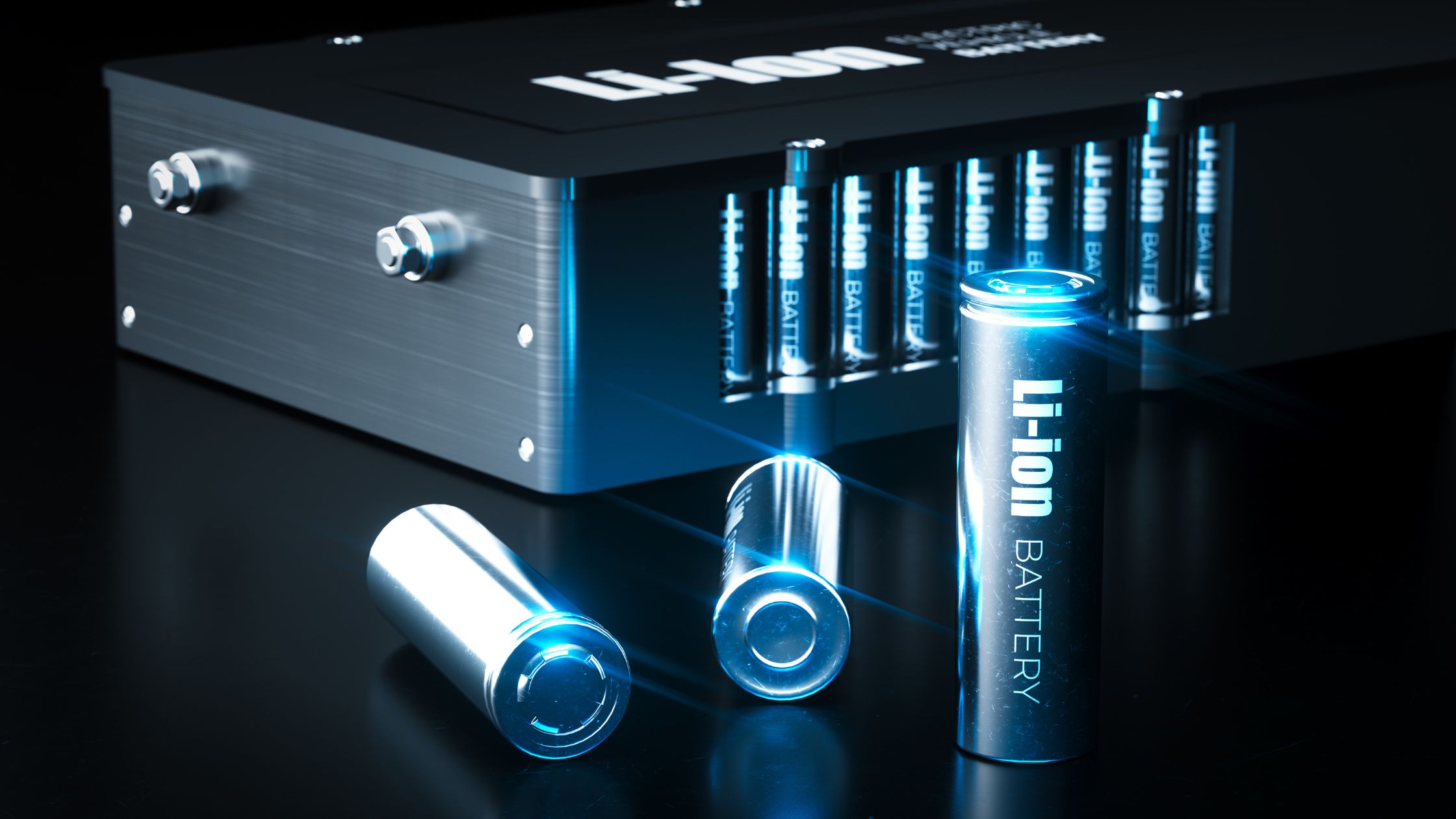
Lithium-ion batteries are powering our future and an essential part of Australia’s transition to a lower-carbon economy. However, the fire risks associated with lithium-ion batteries are a significant concern for insurers.
What are lithium-ion batteries?
Lithium-ion batteries are the driving force behind many of our everyday electronic devices, including mobile phones, laptops, e-bikes, power tools, and more. These rechargeable power sources are known for their efficiency, but their unique composition can also pose fire risks if they are not handled properly.
Understanding the fire risks associated with lithium-ion batteries is essential. These batteries contain highly flammable electrolytes, and if a battery were to burst, it could release toxic and explosive gases. Such incidents can lead to intense, self-sustaining fires that are incredibly difficult to extinguish.
Understanding fire risks related to lithium-ion batteries
Incidents involving lithium-ion batteries highlight the need for caution. For example, a recent explosion from an e-bike left charging in a unit at North Bondi serves as a reminder of the potential fire risks associated with these batteries.
Several factors can increase the fire risk of lithium-ion batteries, including:
- Over charging; using non-compliant charging equipment can lead to overheating
- Physical Damage: Dropping or crushing the battery can cause internal failure
- Short-circuiting: Malfunctions within the battery or system can trigger fires
- Manufacturing defects: poor production quality can lead to unsafe batteries
According to an ACCC report, charging is the most common time for lithium-ion battery fires to occur. Fire services have collectively responded to over 1,000 lithium-ion battery fires since January 2023.
Implications for insurance regarding lithium-ion battery fire risks
Insurers are evaluating policy modifications to better manage the fire risks associated with lithium-ion batteries. It could include setting strict conditions for battery storage, adhering to manufacturer guidelines and ensuring purchases are from reputable suppliers.
To help mitigate the risks related to lithium-ion battery use, we recommend seeking advice from independent risk management professionals that specialise in your industry. They can help you develop adequate policies and procedures for the use, maintenance and disposal of lithium-ion devices within your business. When implemented, it provides evidence to insurers that you actively try to mitigate and monitor fire risk.
How to mitigate the fire risks of lithium-ion batteries?
Staying informed about lithium-ion battery safety is essential in our tech-driven world. Here are five tips that safety experts recommend for managing the fire risks associated with lithium-ion batteries:
1. Check Product Quality
Ensure all products meet local safety standards and purchase devices from authorised dealers. Avoid cheap or counterfeit chargers that may lack essential safety features.
2. Conduct Regular Inspections
Safety experts recommend maintaining an inspection register for all lithium-ion battery devices, including age, quality, and performance. They recommend scheduling regular inspections of devices using lithium-ion batteries and having a device replacement program. Should you notice any faults, damage or the batteries, reach the end of their usable life, it is recommended that you stop using the battery immediately and follow the correct procedures for replacement and disposal.
It is advisable to monitor for product recalls and take note of device safety notices. Fire incidents within general waste are on the rise due to improper disposal of batteries, increasing the risk for workers at refuse and recycling stations. Check out the local recycling programs to see what’s available in your area.
3. Educate Occupants & Staff
Safety experts recommend that staff and residents are aware of fire safety procedures, including the location and use of fire extinguishers.
4. Install Safety Equipment
Fire safety experts recommend regular inspections of fire extinguishers and fire safety equipment to ensure they are easily accessible in the event of a fire. They also recommend monitoring cell voltage, currents and temperature to reduce fire risk, especially in areas that store devices with batteries or battery banks.
5. Follow Manufacturer Guidelines
Manufacturers recommend that lithium-ion batteries are charged according to the manufacturer’s instructions to minimise fire risk. They set out the best practices for charging and storing their devices. It may include charging devices in well-ventilated areas away from direct sunlight and ensuring they are not covered or enclosed while charging.
Manufacturers recommend device charging periods to ensure users avoid charging their products longer than required or overnight. They often recommend unplugging devices once they reach full charge to protect battery life and storing lithium-ion battery devices at 40-60% charge.
 3. Educate Occupants & Staff
How to seek advice on transferring risk to insurance
Insurance is a valuable tool for risk transfer. As risk and insurance advisers, we can help you identify the risks to your business and guide you through the options available to transfer those risks to insurance. Clear Insurance offers a no-obligation risk and insurance review, resulting in a detailed gap analysis report of your current risk transfer and insurance program. This report empowers you to make informed decisions about whether to keep, mitigate or transfer risks to insurance.
We also recommend seeking advice from professionals on matters such as HR, legal, risk management, health and safety and insurance replacement valuations to ensure you have robust policies, procedures and valuations in place to reduce the risk of claims.
A proactive risk strategy enables you to present an accurate picture of your business and operations to insurers, allowing them to assess whether to underwrite the risk and determine the premium cost.
Contact Clear Insurance today for advice on your risk transfer and insurance needs.
General Advice Warning: This advice is general and does not take into account your objectives, financial situation or needs. You should consider whether the advice is appropriate for you and your personal circumstances. Before you make any decision about whether to acquire a certain product, you should obtain and read the relevant product disclosure statement.
Clear Insurance Pty Ltd. ABN. 41 601 916 689. AFSL No. 548953.